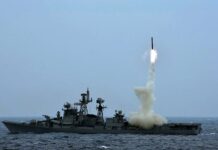

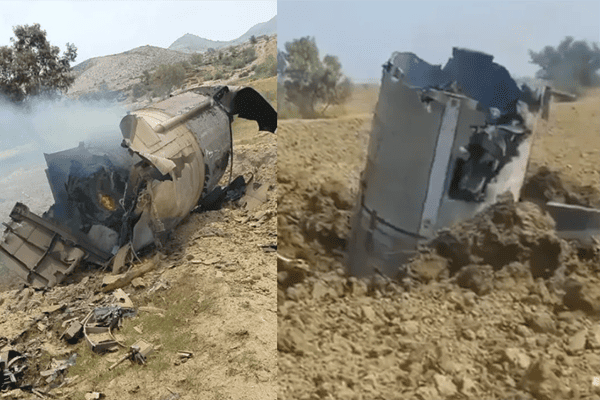

Pakistan’s nuclear deterrence strategy faced a fresh setback after its Ababeel medium-range ballistic missile suffered another failed test on July 20, 2025. The test, closely monitored by international intelligence, ended with the missile crashing near Dera Bugti in Balochistan, raising safety and security concerns among local communities. The Ababeel, touted as Pakistan’s first missile capable of carrying Multiple Independently Targetable Re-entry Vehicles (MIRVs), is intended to counter India’s expanding missile defense shield. However, recurring technical issues—ranging from propulsion and guidance failures to unresolved MIRV deployment capability—underscore Pakistan’s struggle to demonstrate credible second-strike capacity. These failures come on the heels of India’s successful Agni-V MIRV test in March 2024, which reinforced India’s strategic position in the region. Sources indicate that, despite significant Chinese technological support and official claims of development progress, Pakistan continues to face hurdles in warhead miniaturization and missile reliability. With mounting resource constraints and increasing international scrutiny, analysts suggest Pakistan may need to reassess its nuclear posture as repeated Ababeel failures risk undermining its deterrence against India.